Switzerland's Licensing Standards and Their Influence on Secure Transactions in Mobile Gaming Platforms
Geschrieben von Tina Roth · 21.8.2026
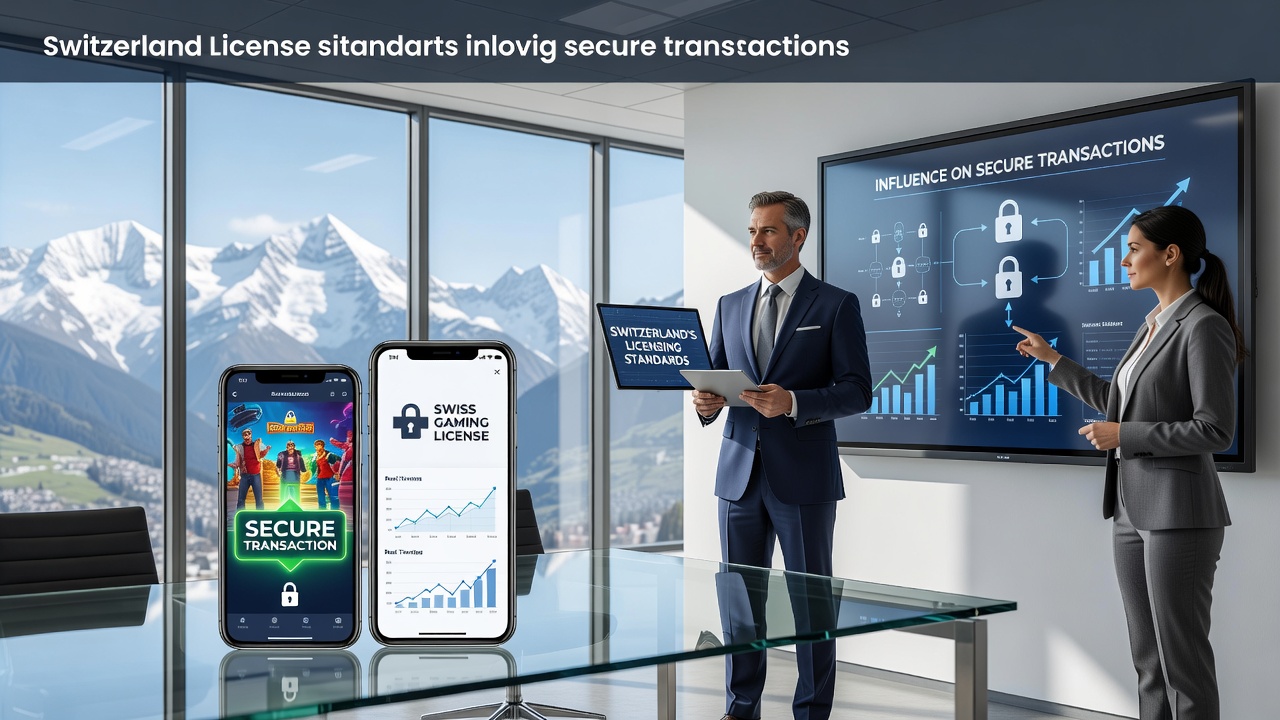
Switzerland's Licensing Framework and Its Effects on Secure Mobile Gaming Payments
Switzerland maintains a structured licensing system for gaming operators that directly shapes how mobile platforms handle financial exchanges, and this approach stems from the Federal Act on Gambling enacted in 2019 which requires all legal providers to secure authorization from cantonal or federal authorities before processing any player funds. Observers note that these standards emphasize encryption protocols, regular audits, and verified payment gateways as core conditions for license approval, creating a baseline that reduces exposure to unauthorized access during deposits and withdrawals on smartphones and tablets. The process begins with applicants demonstrating compliance through documented security measures that include end-to-end data protection and multi-factor authentication for account access, while authorities review these elements before granting permission to operate within the country. Data from regulatory filings shows that licensed entities must maintain segregated accounts for player balances, ensuring funds remain isolated from operational capital and subject to independent verification at least annually. This requirement extends to mobile environments where transaction volumes often peak during evening hours, forcing platforms to implement real-time monitoring systems that flag unusual patterns without interrupting user sessions.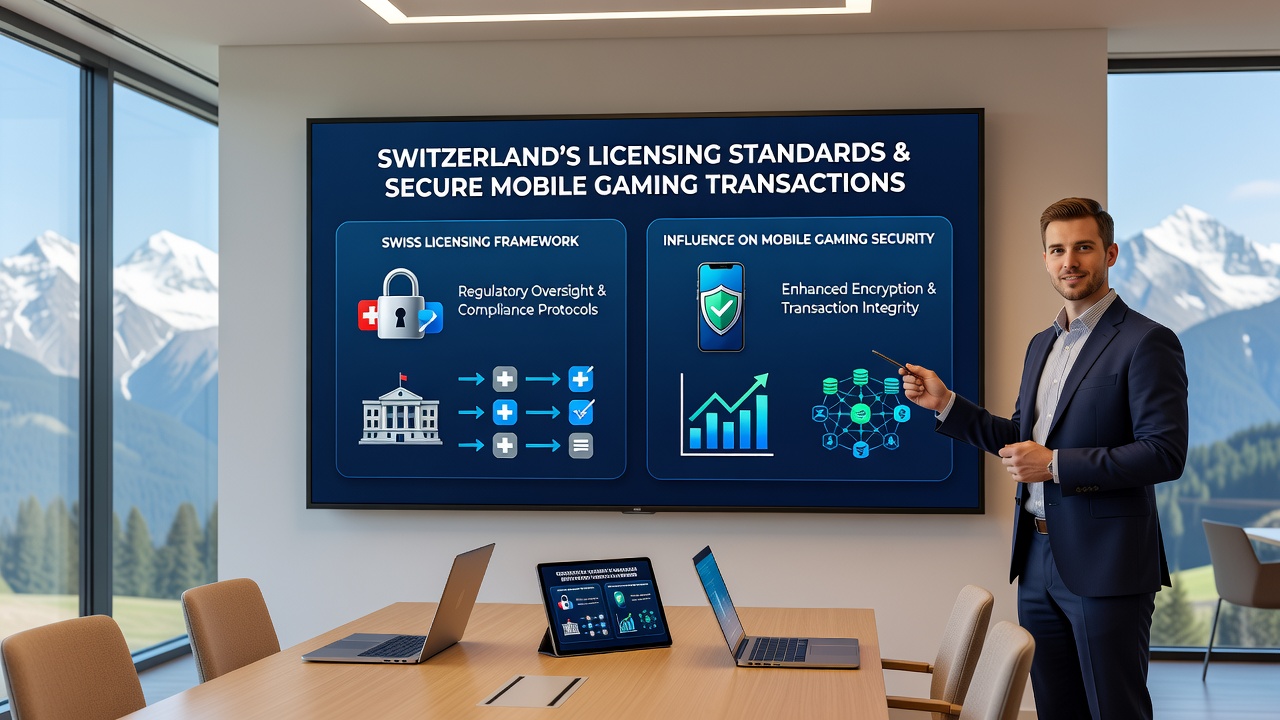
Switzerland maintains a structured licensing system for gaming operators that directly shapes how mobile platforms handle financial exchanges, and this approach stems from the Federal Act on Gambling enacted in 2019 which requires all legal providers to secure authorization from cantonal or federal authorities before processing any player funds. Observers note that these standards emphasize encryption protocols, regular audits, and verified payment gateways as core conditions for license approval, creating a baseline that reduces exposure to unauthorized access during deposits and withdrawals on smartphones and tablets. The process begins with applicants demonstrating compliance through documented security measures that include end-to-end data protection and multi-factor authentication for account access, while authorities review these elements before granting permission to operate within the country. Data from regulatory filings shows that licensed entities must maintain segregated accounts for player balances, ensuring funds remain isolated from operational capital and subject to independent verification at least annually. This requirement extends to mobile environments where transaction volumes often peak during evening hours, forcing platforms to implement real-time monitoring systems that flag unusual patterns without interrupting user sessions.Core Elements of Swiss Licensing for Transaction Integrity
Licenses issued under the current framework incorporate specific clauses on payment processing that mandate support for recognized methods such as bank transfers and certified e-wallets, all routed through channels that comply with Swiss data protection statutes. Researchers have observed that these rules align with broader European data security expectations yet remain tailored to local needs, requiring operators to store transaction records domestically for a minimum of five years. Platforms seeking renewal must submit evidence of penetration testing and vulnerability assessments conducted by accredited third parties, which helps maintain consistent standards across both desktop and mobile interfaces. In practice, the licensing body evaluates how operators encrypt sensitive information during transmission, particularly when users initiate small-stake wagers or larger transfers via mobile applications. Those who studied the system report that failure to meet these benchmarks results in delayed approvals or outright rejection, compelling companies to invest in robust infrastructure before launch. Figures from industry reports indicate that compliance costs for initial licensing can reach several hundred thousand Swiss francs, though ongoing adherence yields measurable reductions in fraud incidents according to aggregated operator disclosures.Impact on Mobile Platform Operations and User Protections
Mobile gaming providers operating under Swiss licenses integrate these requirements into their application design, which means users encounter standardized security prompts and verified checkout processes regardless of the specific game selected. What's interesting is how the rules encourage adoption of tokenization techniques that replace card details with unique identifiers, limiting the retention of full payment information on user devices. This approach proves especially relevant for platforms supporting cross-border play, where additional verification layers apply to accounts registered outside Switzerland. Authorities conduct periodic reviews that include scrutiny of mobile-specific features such as app store distribution and push notification handling for transaction confirmations. One study revealed that licensed operators experience lower dispute rates compared to unregulated alternatives, largely because mandatory logging captures every step from login to payout completion. Observers note that these logs enable swift resolution when discrepancies arise, and the process reinforces trust among players who rely on seamless mobile experiences.